One of the US government’s top scientific research labs is taking steps that could drive away foreign scientists, a shift lawmakers and sources tell WIRED could cost the country valuable expertise and damage the agency’s credibility.
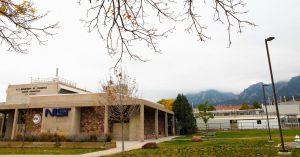
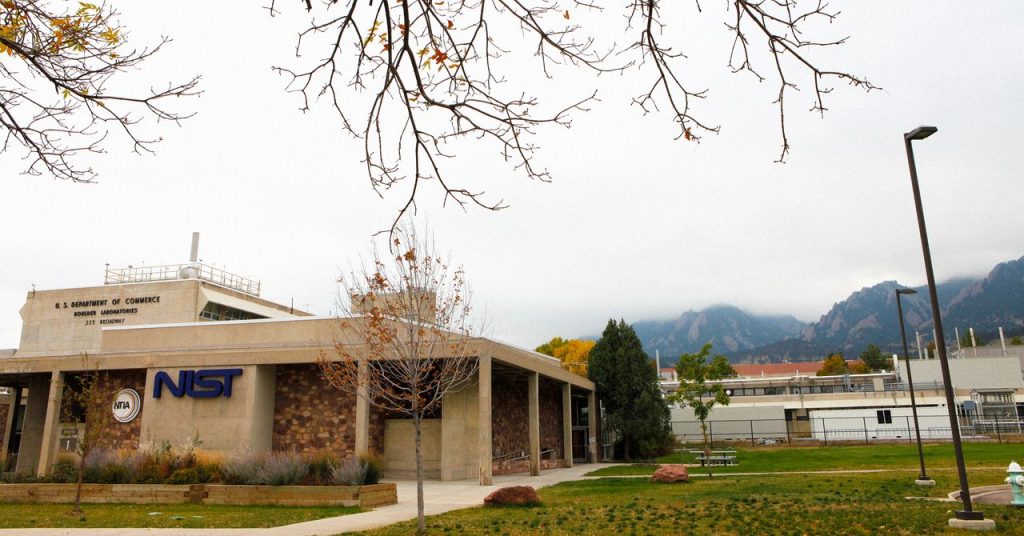
The National Institute of Standards and Technology (NIST) helps determine the frameworks underpinning everything from cybersecurity to semiconductor manufacturing. Some of NIST’s recent work includes establishing guidelines for securing AI systems and identifying health concerns with air purifiers and firefighting gloves. Many of the agency’s thousands of employees, postdoctoral scientists, contractors, and guest researchers are brought in from around the world for their specialized expertise.
“For weeks now, rumors of draconian new measures have been spreading like wildfire, while my staff’s inquiries to NIST have gone unanswered,” Zoe Lofgren, the top Democrat on the House Committee on Science, Space, and Technology, wrote in a letter sent to acting NIST director Craig Burkhardt on Thursday. April McClain Delaney, a fellow Democrat on the committee, cosigned the message.
Lofgren wrote that while her staff has heard about multiple rumored changes, what they have confirmed through unnamed sources is that the Trump administration “has begun taking steps to limit the ability of foreign-born researchers to conduct their work at NIST.”
The congressional letter follows a Boulder Reporting Lab article on February 12 that said international graduate students and postdoctoral researchers would be limited to a maximum of three years at NIST going forward, despite many of them needing five to seven years to complete their work.
A NIST employee tells WIRED that some plans to bring on foreign workers through the agency’s Professional Research and Experience Program have recently been canceled because of uncertainty about whether they would make it through the new security protocols. The staffer, who spoke on the condition of anonymity because they were not authorized to speak to the media, says the agency has yet to widely communicate what the new hurdles will be or why it believes they are justified.
On Thursday, the Colorado Sun reported that “noncitizens” lost after-hours access to a NIST lab last month and could soon be banned from the facility entirely.
Jennifer Huergo, a spokesperson for NIST, tells WIRED that the proposed changes are aimed at protecting US science from theft and abuse, echoing a similar statement issued this week to other media outlets. Huergo declined to comment on who needs to approve the proposal for it to be finalized and when a decision will be made. She also didn’t immediately respond to a request for comment on the lawmakers’ letter.
Preventing foreign adversaries from stealing valuable American intellectual property has been a bipartisan priority, with NIST among the agencies in recent years to receive Congressional scrutiny about the adequacy of its background checks and security policies. Just last month, Republican lawmakers renewed calls to put restrictions in place preventing Chinese nationals from working at or with national labs run by the Department of Energy.
But Lofgren’s letter contends that the rumored restrictions on non-US scientists at NIST goes beyond “what is reasonable and appropriate to protect research security.” The letter demands transparency about new policies by February 26 and a pause on them “until Congress can weigh in on whether these changes are necessary at all.”
The potential loss of research talent at NIST would add to a series of other Trump administration policies that some US tech industry leaders have warned will dismantle the lives of immigrant researchers already living in the US and hamper economic growth. Hiking fees on H-1B tech visas, revoking thousands of student visas, and carrying out legally dubious mass deportations all stand to push people eager to work on science and tech research in the US to go elsewhere instead. The Trump administration has also announced plans to limit post-graduation job training for international students.